
Wake County, North Carolina Real Estate Investing Guide
Wake County is located in the northeast central region of North Carolina, where the Piedmont and Atlantic Coastal Plain regions meet. As North Carolina’s most populous county and home to the state capital, Raleigh, Wake County encompasses 12 municipalities including Cary, Apex, Wake Forest, Holly Springs, Fuquay-Varina, Garner, Morrisville, Knightdale, Clayton, Wendell, Rolesville, and Zebulon. The county also includes Research Triangle Park, one of the largest research parks in North America.
Investors are drawn to Wake County for compelling structural reasons: exceptional population and job growth consistently outpacing national averages, a highly educated workforce anchored by three major universities and the Research Triangle Park technology corridor, strong rental demand from professionals and university-affiliated residents, diverse economic base spanning technology, healthcare, government, and education sectors, and home values supported by sustained in-migration and limited inventory. The market offers opportunities across both long-term rental and fix-and-flip strategies, with particular strength in suburban rental markets serving Research Triangle Park employment centers.
Population & Demographic Overview
Current population: 1,232,444 (Census population estimate, July 1, 2024). Census.gov
Recent growth: 1.67% growth from 2022 → 2023 (DataUSA). Data USA
Median household income: $101,763 (2019–2023, inflation-adjusted). Census.gov+1
Median age: 37.2 (2023). Data US
The median household income in Wake County is $101,763, significantly above both the state and national medians. The county’s racial composition includes 59.39% White, 19.29% Black or African American, 8.1% Asian, and 4.83% other races. The poverty rate stands at 7.93%, well below state and national averages.
The tenant demographic in Wake County is characterized by highly educated professionals, university faculty and staff, Research Triangle Park technology workers, healthcare professionals, graduate students, and relocating corporate employees. The area attracts knowledge workers drawn to technology, life sciences, and professional services employment. As of 2023, 14.4% of county residents were born outside the United States, reflecting the region’s draw for international talent in technology and research sectors.
Rental Market & Long-Term Rental Potential
HUD Fair Market Rent baseline (Raleigh–Cary area):
- 2-bedroom (FMR): $1,763/mo huduser.gov
- 3-bedroom (FMR): $2,192/mo huduser.gov
Market averages (Rentometer, Raleigh–Cary metro):
- 2-bedroom: about $1,808/mo
- 3-bedroom: about $2,094/mo Rentometer
Typical monthly rent range (single-family homes, low → high, based on active listing signals):
- 2-bedroom homes: roughly $1,250 – $2,200+ (premium pockets can push higher). Zillow
- 3-bedroom homes: roughly $2,100 – $3,000+ depending on location/schools/finish level. Zillow+1
Primary rental demand drivers include Research Triangle Park employment (300+ companies employing 55,000+ workers), major universities with NC State University employing 10,000+, Duke University and Health System employing 43,000+, significant technology sector growth from Apple, Google, Microsoft, and other major employers, state government employment with 24,000+ workers, healthcare sector anchored by WakeMed and Duke Health systems, and professional services supporting the region’s $95.6 billion economy.
The typical tenant profile includes technology professionals earning above-average incomes, university faculty, staff, and graduate students, healthcare workers from major hospital systems, state government employees, and relocating corporate professionals. The rental market is characterized by high demand, professional tenant quality, strong rent collection, and consistent appreciation. Vacancy rates remain low due to sustained in-migration and limited new construction relative to demand.
Fix-and-Flip & Value-Add Opportunities
Wake County’s fix-and-flip market reflects the area’s strong buyer demand and limited inventory, creating opportunities for well-executed value-add projects.
The median home price in Wake County is $470,000 (November 2025), with prices showing seasonal variation and upward trajectory. Recent data shows:
- Median sale price: $465,000 – $495,500 (2025 range)
- Median price per square foot: $222
- Average days on market: 48 days
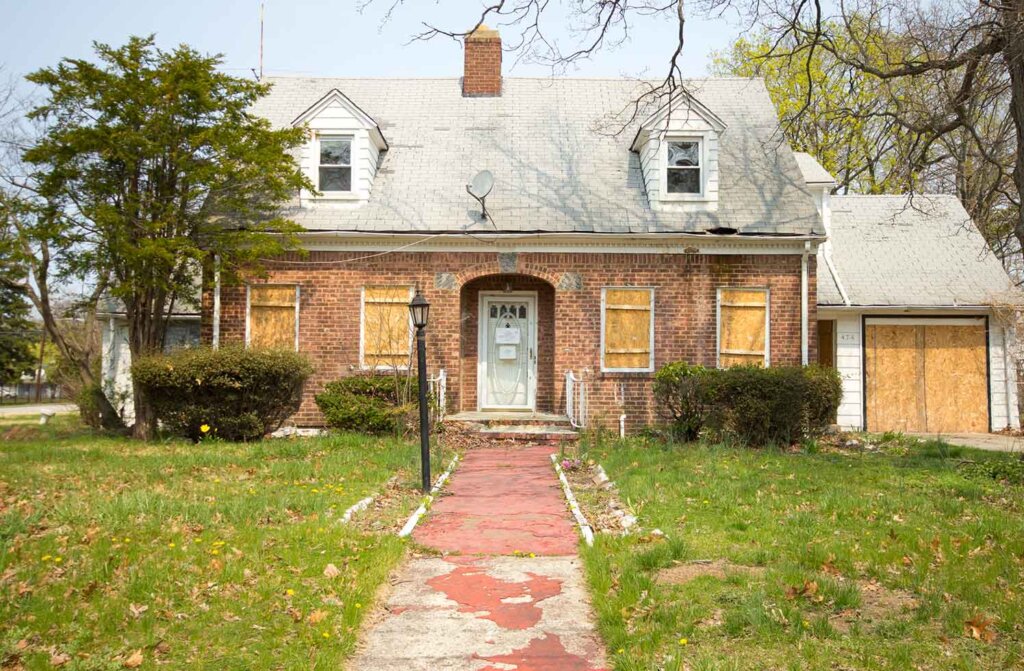
Distressed and Fixer Properties: Entry-level distressed properties in Wake County typically range from $250,000 to $375,000, with substantial renovation opportunities in older suburban neighborhoods. Properties requiring cosmetic updates, system replacements, or structural improvements can often be acquired at 75-85% of after-repair value in competitive markets. Lower-priced municipalities like Clayton, Garner, Wendell, and Zebulon offer more accessible entry points with median home values between $342,000 and $375,000.
Buyer Demand and Resale Activity: The Wake County market demonstrates strong buyer demand with approximately 2,500-3,000 monthly transactions. Home prices have shown steady appreciation with the median increasing from $450,000 in January 2025 to $470,000 by November 2025. The market benefits from sustained in-migration, particularly from higher-cost markets, creating consistent demand for renovated properties.
Days on Market at 48 days indicate healthy liquidity, particularly for renovated homes in desirable school districts and commuter-friendly locations. The county is projected to need an additional 125,000 to 175,000 new housing units over the next 10 to 15 years, with housing supply unable to keep pace with demand. This supply-demand imbalance supports stable resale values for improved properties.
Successful fix-and-flip opportunities focus on properties in established neighborhoods with good schools, proximity to Research Triangle Park employment centers, access to major highways (I-40, I-540, US-1), and properties priced below neighborhood comps with clear renovation upside.
Local Economy & Employment Base
Wake County’s economy is one of the strongest and most diversified in the southeastern United States, anchored by technology, research, education, healthcare, and government sectors.
Major Employers:
- Duke University and Duke Health Systems – 43,108 employees across hospital systems and university operations, representing the region’s largest employer
- State of North Carolina – 24,000+ employees in state government functions headquartered in Raleigh
- NC State University – 10,000+ employees across faculty, staff, and administrative positions
- WakeMed Health & Hospitals – 10,307 employees providing healthcare services across Wake County
- Research Triangle Park – 300+ companies employing 55,000+ workers plus 10,000+ contractors in technology, life sciences, and research sectors
- IBM – Long-standing major corporate tenant at Research Triangle Park with large campus presence
- Cisco Systems – Approximately 5,000 employees at RTP campus, second-largest location after Silicon Valley headquarters
- GlaxoSmithKline – One of GSK’s largest R&D centers with approximately 5,000 employees
- Apple – $1 billion campus investment creating 3,000+ jobs in the Research Triangle region
- Google – $1 billion engineering hub creating 1,000+ high-paying technology positions
- Microsoft – Software development center employing 2,500+ workers
- SAS Institute – 4,024 employees in software publishing and analytics
- Wake County Government – 4,389 employees providing county services
Industry Sectors: The five key industries representing approximately 70% of Wake County’s economy include Professional and Business Services (146,721 employees), Education and Health Services, Government, Technology and Research, and Trade, Transportation, and Utilities. The Research Triangle region hosts approximately 4,000 technology companies and 600 life sciences companies.
The county’s economy has grown to $95.6 billion in total economic output, supported by the Research Triangle Park’s $6+ billion in annual research activity. The region benefits from one of the highest concentrations of PhDs in the United States, a talent pipeline from three major research universities, and sustained corporate investment in technology and life sciences sectors.
Why Invest in Wake County?
- Exceptional population growth – 2.36% annual growth rate significantly outpacing state and national averages
- Strong economic fundamentals – $95.6 billion economy anchored by Research Triangle Park technology corridor
- Highly educated workforce – Talent pipeline from NC State, Duke, and UNC-Chapel Hill supporting knowledge economy
- Sustained job creation – Major corporate investments from Apple, Google, Microsoft, and life sciences companies
- Diverse employment base – Technology, healthcare, education, government, and professional services sectors
- Housing supply shortage – Demand for 125,000-175,000 additional units over the next 10-15 years
- Strong rental fundamentals – Professional tenant base with above-average incomes and low vacancy rates
- Appreciation potential – Home values supported by sustained in-migration and limited inventory
- Research Triangle Park proximity – Access to one of North America’s largest research and technology employment centers
- Quality of life factors – Excellent schools, universities, cultural amenities, and employment opportunities attract sustained migration
Buying or Selling Property in Lenoir County?
JND Real Estate Group, LLC works with local and out-of-state investors looking to buy discounted properties in Lenoir County, North Carolina. If you are searching for off-market deals, long-term rental properties, or fix-and-flip opportunities, contact us today to learn more.
Contact Information:
Janice Shearin – 252-326-1197
Dwight Cox – (919) 944-7248
Additional Resources
Areas We Service:
- Eastern North Carolina Properties
- Central North Carolina Properties
- Western North Carolina Properties
Nearby Counties:
- Halifax County, NC
- Durham County, NC
- Wake County, NC
- Jones County, NC
Enter Your Information Below To Schedule a Tour
Important Investment Disclosure
The information provided on this page is for general informational purposes only and is not intended to be financial, legal, tax, or investment advice. All market data, population statistics, rental estimates, pricing information, and other metrics are derived from third-party sources believed to be reliable; however, JND Real Estate Group, LLC makes no representations or warranties as to the accuracy, completeness, or timeliness of such information. Real estate markets are subject to change, and conditions may vary by property, neighborhood, and time. Investors are strongly encouraged to conduct their own independent due diligence, verify all data independently, and consult with licensed professionals prior to making any investment decision. JND Real Estate Group, LLC assumes no liability for investment decisions made based on the information presented on this website.